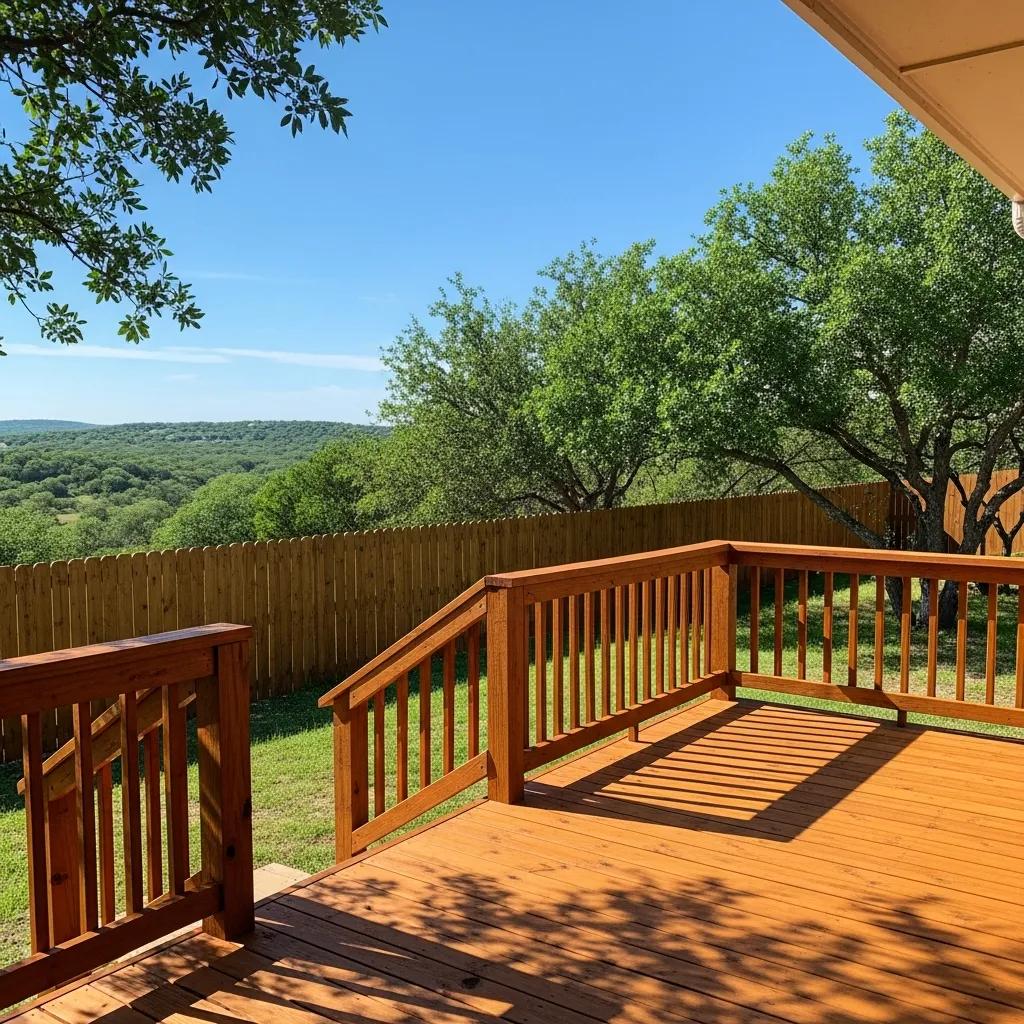
Preserve Your Wood: Fence Staining in Hill Country, Texas
Deck and Fence Staining in the Texas Hill Country: A Homeowner's Guide to Protecting Outdoor Wood

Maintaining the beauty and integrity of outdoor wood structures like decks and fences is essential for homeowners in the Texas Hill Country. This guide provides valuable insights into the best practices for deck and fence staining, ensuring that your outdoor wood remains protected against the harsh Texas climate. Homeowners will learn about the frequency of staining, the factors that influence it, and the signs that indicate when it's time to restain. Additionally, we will explore the types of stains best suited for the region, their benefits, and how to choose the right finish. By following these guidelines, you can enhance the longevity of your outdoor wood and maintain its aesthetic appeal.
How Often Should You Stain Your Deck and Fence in Texas Hill Country?
Staining your deck and fence is crucial for protecting the wood from moisture, UV rays, and other environmental factors. Generally, it is recommended to stain your outdoor wood every 1 to 3 years, depending on the type of stain used and the exposure to the elements. Regular maintenance not only preserves the wood's appearance but also extends its lifespan. Homeowners should consider seasonal changes and local weather patterns when planning their staining schedule, as these factors can significantly impact the effectiveness of the stain.
What Factors Affect Staining Frequency in Austin and Marble Falls?

Several local factors can influence how often you need to stain your deck and fence. Understanding these elements can help you create a more effective maintenance schedule.
- Climate Conditions: The Texas Hill Country experiences hot summers and mild winters, which can accelerate the wear on wood surfaces.
- Wood Type: Different types of wood have varying levels of durability and resistance to weathering, affecting how often they need to be stained.
- Exposure to Elements: Structures that are more exposed to direct sunlight and rain will require more frequent staining compared to those that are sheltered.
By considering these factors, homeowners can better determine the optimal staining frequency for their outdoor wood.
Signs Your Outdoor Wood Needs Restaining
Recognizing the signs that your outdoor wood needs restaining is essential for maintaining its integrity. Here are some indicators to watch for:
- Visual Signs of Wear: If the wood appears faded or discolored, it may be time to restain.
- Performance Issues: If water no longer beads on the surface and instead soaks in, the protective layer has likely worn off.
- Longevity of Previous Stain: If it has been over two years since the last application, it’s advisable to check the condition of the wood.
Being proactive about these signs can help prevent more extensive damage and costly repairs.
Which Wood Stains Are Best Suited for Texas Weather?
Choosing the right wood stain is crucial for ensuring long-lasting protection against the Texas climate. Here are some types of stains that are particularly effective:
| Stain Type | Durability | UV Resistance | Water Repellency |
|---|---|---|---|
| Semi-Transparent Stain | Moderate | High | High |
| Solid Stain | High | Very High | Very High |
| Water-Repellent Stain | Moderate | Moderate | Very High |
Each type of stain offers unique benefits, and selecting the right one can significantly enhance the durability of your outdoor wood.
What Are the Benefits of UV-Resistant and Water-Repellent Stains?
- Protection Against Sun Damage: UV-resistant stains help prevent fading and degradation caused by prolonged sun exposure.
- Prevention of Water Damage: Water-repellent stains create a barrier that prevents moisture from penetrating the wood, reducing the risk of rot and mold.
- Longevity of Wood: By protecting against both UV rays and moisture, these stains can significantly extend the life of your deck and fence.
Investing in high-quality stains can lead to long-term savings by reducing the need for frequent repairs and replacements.
Further research into commercial wood coatings highlights the scientific considerations behind UV degradation and pigment retention, reinforcing the importance of selecting effective stains.
Commercial Wood Coatings: UV Degradation & Pigment Retention
This research subjected four wood species pigmented with the red stain ofScytalidium cuboideumandAcer negundowood pigmented with the tree’s naturally occurring red stain to natural and artificial UV light. Several commercially available coatings were applied to determine the effect of coating on the degradation of both red stains over time. The red stain ofAcer negundowas found to be significantly less stable in UV light than the red pigment produced byS. cuboideumon any wood species, evenA. negundo. None of the tested coatings significantly increased the pigment retention time of the red stain produced byA. negundo. The red stain ofS. cuboideumwas significantly affected by both coating and wood species;Populus tremuloidesretained pigment significantly longer thanFagus grandifoliaorAcer saccharum, and the Danish oil coating retained pigment significantly longer than the lacquer, water-based polyurethane with UV inhibitors, or the uncoated samples.
The effects of several commercial wood coatings on the deterioration of biological pigments in wood exposed to UV light, SC Robinson, 2013
How to Choose Between Semi-Transparent and Solid Stain Finishes?
When selecting a stain finish, homeowners must consider the aesthetic and protective qualities of each option. Here’s a comparison to help you decide:
- Semi-Transparent Stain: This option allows the natural grain of the wood to show through while providing color and protection. It is ideal for those who want to maintain the wood's natural beauty.
- Solid Stain: Solid stains offer a more opaque finish, providing excellent coverage and protection. This option is suitable for older wood or surfaces that have imperfections.
Choosing the right finish depends on your desired look and the condition of your wood.
What Are the Professional Deck and Fence Staining Services Available in Austin and Hill Country?

Homeowners in the Texas Hill Country can benefit from various professional staining services. These services typically include:
- Preparation and Cleaning: Professionals will clean and prepare the wood surface to ensure optimal stain adhesion.
- Staining Application: Experts apply the stain evenly, ensuring complete coverage and protection.
- Maintenance Services: Many contractors offer ongoing maintenance services to keep your deck and fence in top condition.
Hiring professionals can save time and ensure that the job is done correctly, providing peace of mind.
How Do Local Contractors Ensure Long-Lasting Wood Protection?
Local contractors employ several methods to ensure that your wood remains protected for years to come:
- Quality of Materials: Using high-quality stains and sealants is essential for effective protection.
- Techniques Used: Professionals are trained in the best application techniques to maximize the effectiveness of the stain.
- Experience and Expertise: Local contractors understand the specific challenges posed by the Texas climate and can tailor their services accordingly.
By choosing experienced professionals, homeowners can ensure that their outdoor wood is well-protected.
What Are the Advantages of Hiring Wood Stain Contractors in Hill Country?
Hiring wood stain contractors offers several benefits:
- Time Savings: Professionals can complete the job more quickly and efficiently than most homeowners.
- Quality Assurance: Experienced contractors provide a level of quality that ensures long-lasting results.
- Access to Professional-Grade Products: Contractors often have access to higher-quality stains and tools that are not available to the general public.
These advantages make hiring a contractor a worthwhile investment for maintaining your outdoor wood.
How Can Homeowners Maintain Their Stained Decks and Fences in Marble Falls?
Regular maintenance is key to preserving the beauty and integrity of stained wood. Homeowners should consider the following tips:
- Regular Cleaning: Keep the surface clean by removing debris and dirt to prevent mold and mildew growth.
- Inspection for Damage: Regularly check for signs of wear or damage, and address any issues promptly.
- Reapplication of Stain: Plan to restain every 1-3 years, depending on the type of stain and environmental conditions.
By following these maintenance tips, homeowners can extend the life of their stained decks and fences.
What Are Effective Deck Maintenance Tips for Texas Outdoor Wood?
To ensure the longevity of outdoor wood, homeowners should implement the following maintenance strategies:
- Seasonal Maintenance Tasks: Clean and inspect your deck and fence at the beginning of each season to prepare for changing weather conditions.
- Preventative Measures: Use mats and furniture pads to minimize wear and tear on the wood surface.
- Long-Term Care Strategies: Consider applying a protective sealant every few years to enhance the wood's durability.
These strategies can help maintain the appearance and functionality of your outdoor wood structures.
When Should You Schedule Professional Maintenance or Restaining?
Knowing when to schedule professional maintenance is crucial for preserving your outdoor wood. Homeowners should consider:
- Signs That Professional Help is Needed: If you notice significant wear or damage, it may be time to call in the experts.
- Recommended Schedules: Plan for professional maintenance every 1-3 years, depending on the type of stain and environmental exposure.
- Cost Considerations: Investing in professional services can save money in the long run by preventing more extensive damage.
By staying proactive about maintenance, homeowners can ensure their outdoor wood remains in excellent condition.
